Introduction
Education is evolving faster than ever before. With rapid advancements in technology, changing job markets, and global connectivity, the way we learn is being completely transformed. From traditional classrooms to digital platforms, the future of education is becoming more flexible, accessible, and skill-focused.
💻 Rise of Digital Learning
One of the biggest shifts in education is the growth of online learning. Platforms like Coursera and Udemy have made it possible for anyone to learn new skills from anywhere in the world.
Key benefits:
- Learn at your own pace
- Access to global instructors
- Affordable or even free courses
- Wide variety of subjects
Online education is breaking barriers, allowing students from developing regions to access the same knowledge as top universities.
🤖 Role of AI in Education
Artificial Intelligence is transforming classrooms and learning methods. Tools like ChatGPT are helping students with research, writing, and problem-solving.
How AI is changing learning:
- Personalized learning experiences
- Instant feedback and tutoring
- Smart content recommendations
- Automation of administrative tasks
AI is making education smarter and more efficient for both students and teachers.
🏫 Shift from Degrees to Skills
Employers are now focusing more on skills rather than just degrees. Even top institutions like Harvard University are offering short-term certifications and online programs.
In-demand skills include:
- Data analysis
- Digital marketing
- Programming
- Communication and leadership
This shift is encouraging students to focus on practical knowledge that can be applied in real-world situations.
🌐 Globalization of Education
Education is no longer limited by geography. Students can now:
- Study abroad virtually
- Collaborate with international peers
- Access global research and resources
This global approach is helping create a more connected and knowledgeable world.
📱 Mobile Learning & Microlearning
With smartphones becoming more powerful, learning is now available in your pocket. Microlearning—short, focused lessons—is gaining popularity.
Why it works:
- Easy to consume
- Saves time
- Improves retention
- Fits into busy schedules
Apps and short video platforms are making education more engaging and accessible.
🧠 Personalized Learning Experience
Modern education systems are moving toward personalized learning. Instead of a “one-size-fits-all” approach, students can now learn based on their pace, interests, and strengths.
This leads to:
- Better understanding
- Higher engagement
- Improved academic performance
⚠️ Challenges in Modern Education
Despite these advancements, there are still challenges:
- Digital divide (lack of internet access)
- Quality control of online courses
- Reduced face-to-face interaction
- Over-reliance on technology
Addressing these issues is crucial for building a balanced education system.
🚀 What the Future Holds
The future of education will likely include:
- Hybrid learning (online + offline)
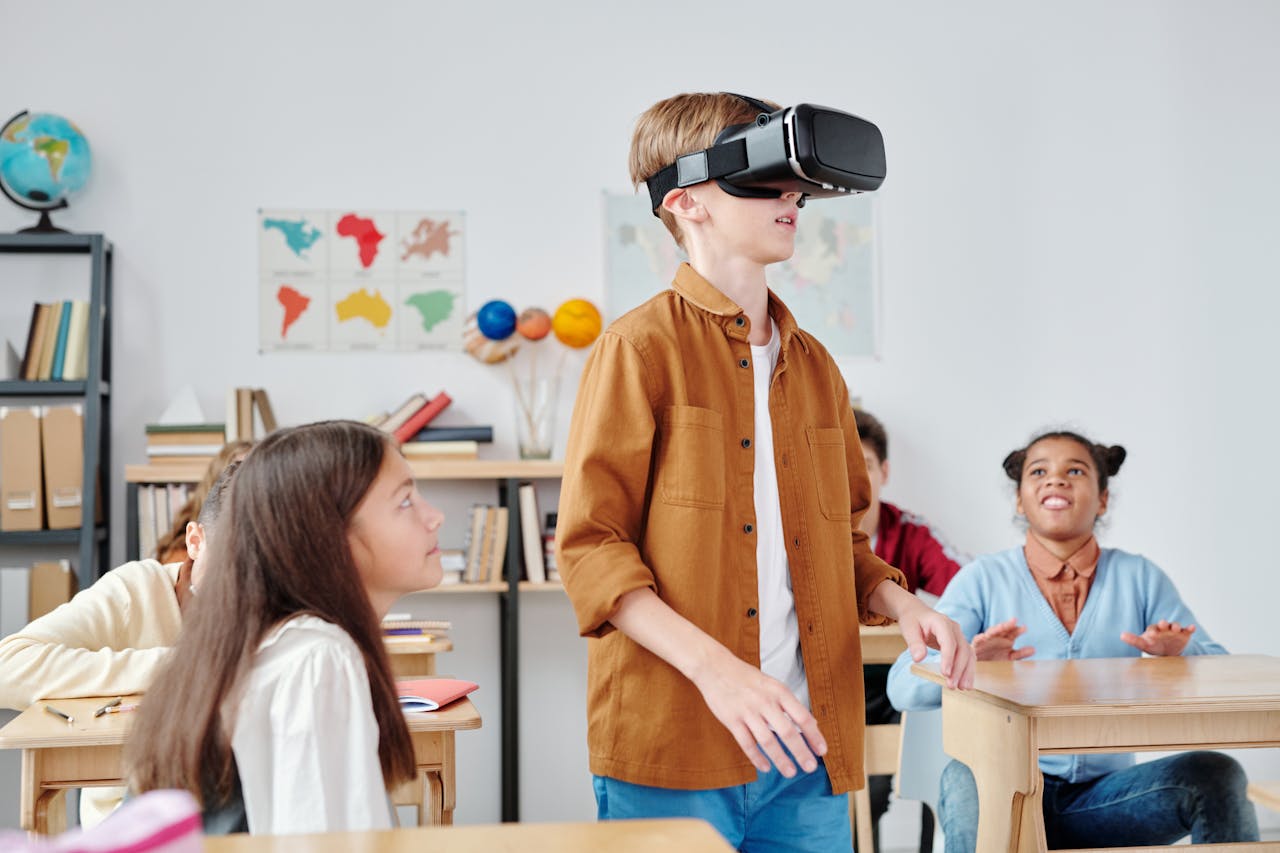
- AI-powered virtual classrooms
- Lifelong learning as a necessity
- Greater focus on creativity and critical thinking
Education will become more dynamic, practical, and aligned with real-world needs.
✨ Conclusion
The future of education is exciting and full of opportunities. As technology continues to evolve, learning will become more accessible, personalized, and skill-driven. Students and professionals must adapt to these changes to stay competitive in a rapidly changing world.